Mastering the
Bengal Delta
One River at a Time
Tackling Bangladesh's dynamic sediment challenges demands the right technology for each unique river system, port environment, and ecological boundary.
We deploy two specialized dredging fleets — Cutter Suction Dredgers for inland waterways and Trailing Suction Hopper Dredgers for deep maritime ports. BIWTA-certified. Sundarbans-compliant.
Live Dredging Operation Simulation
CSD Dredger — Live Operation Simulation
Our Fleet — Rivers to Deep Maritime Ports
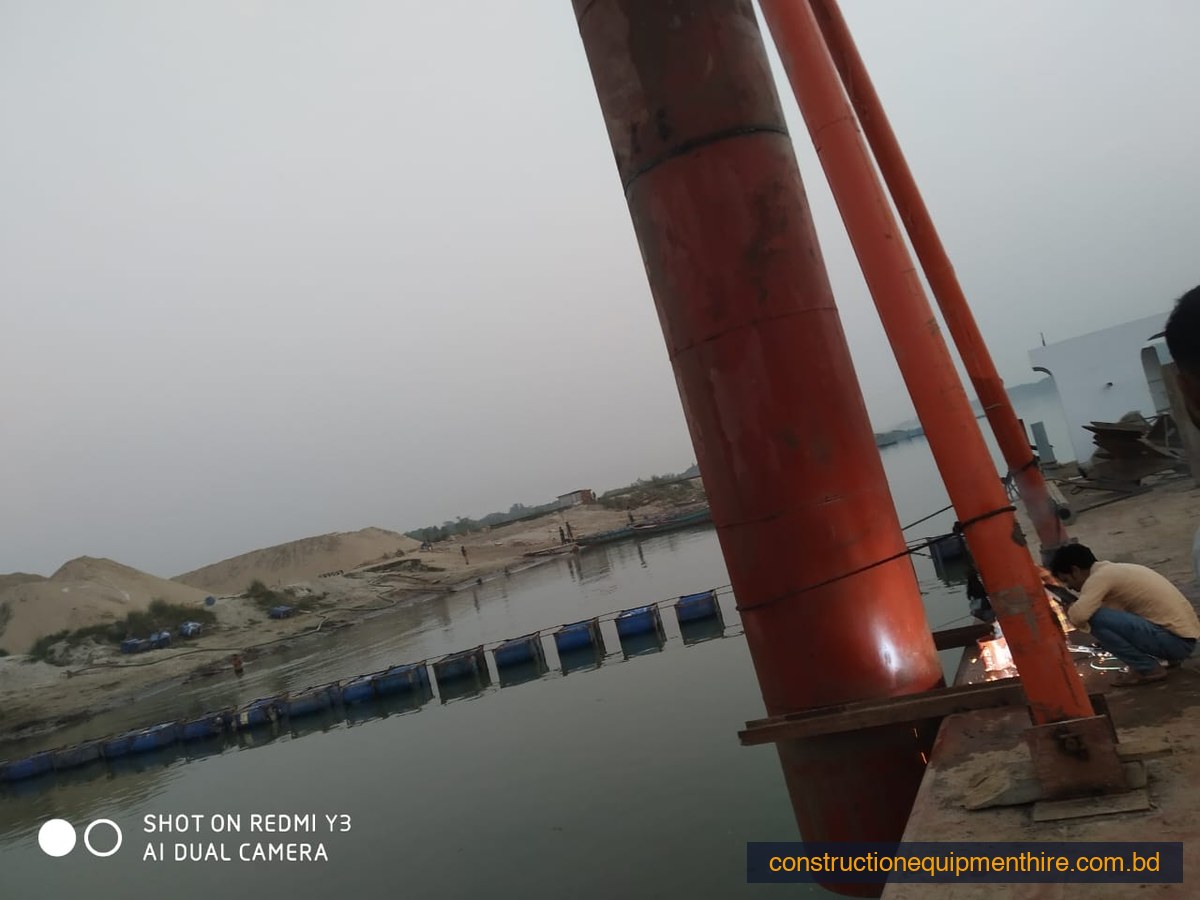
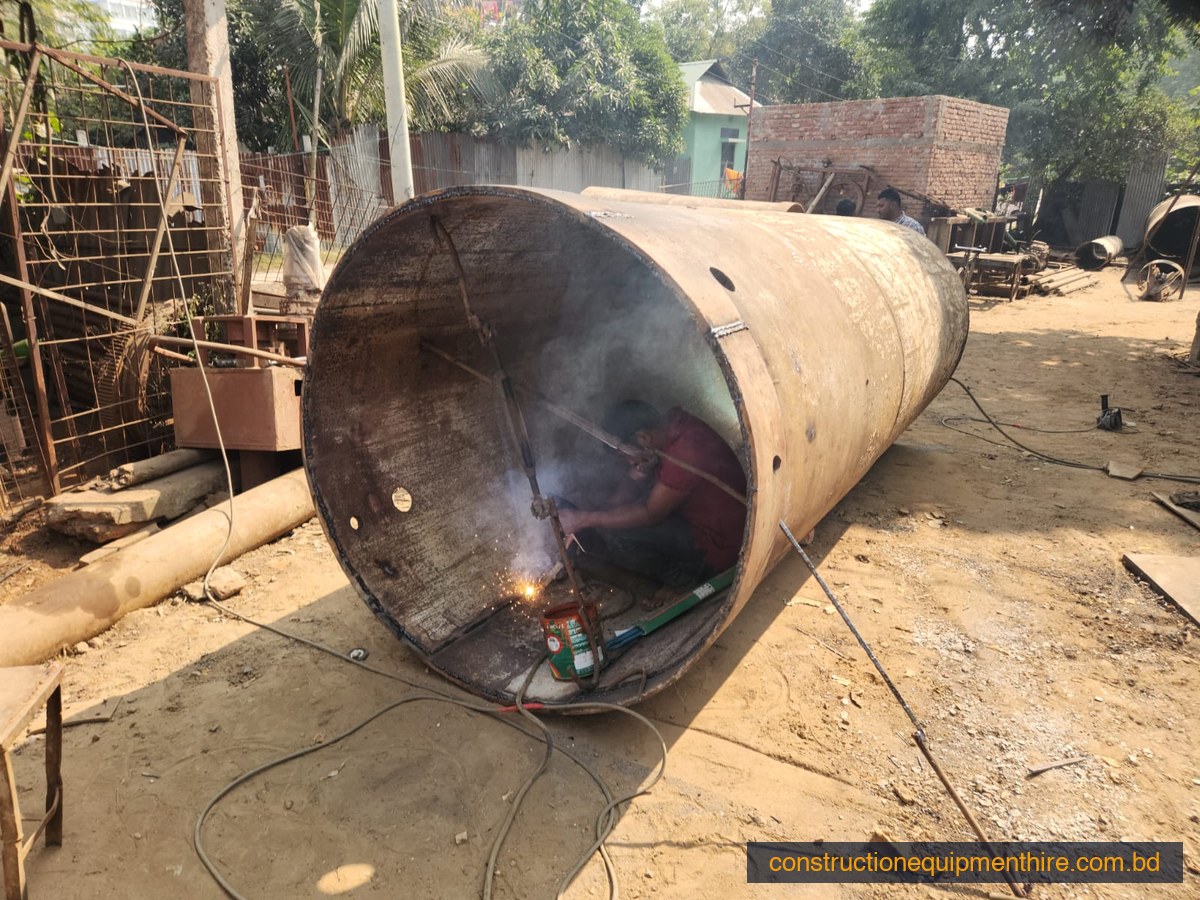
Pipe discharge
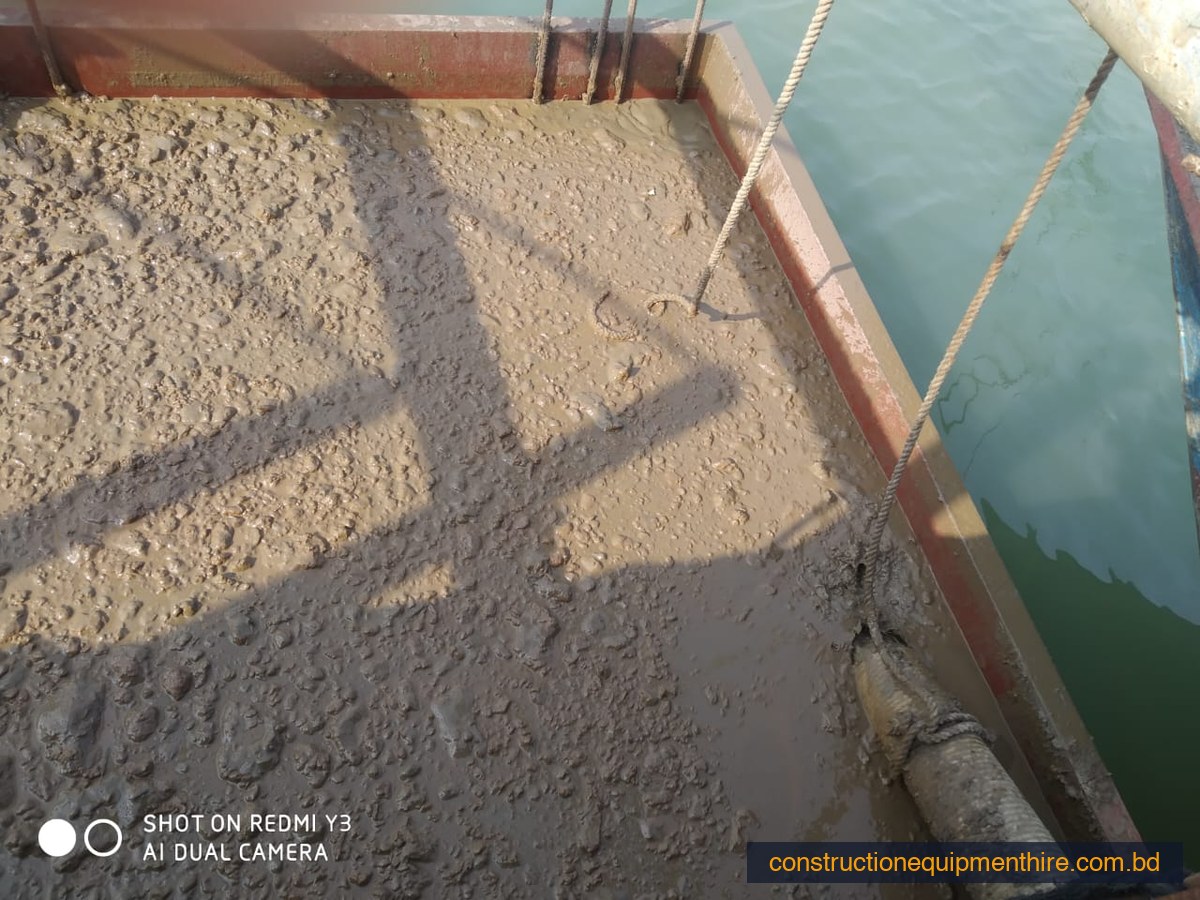
Dredge boom
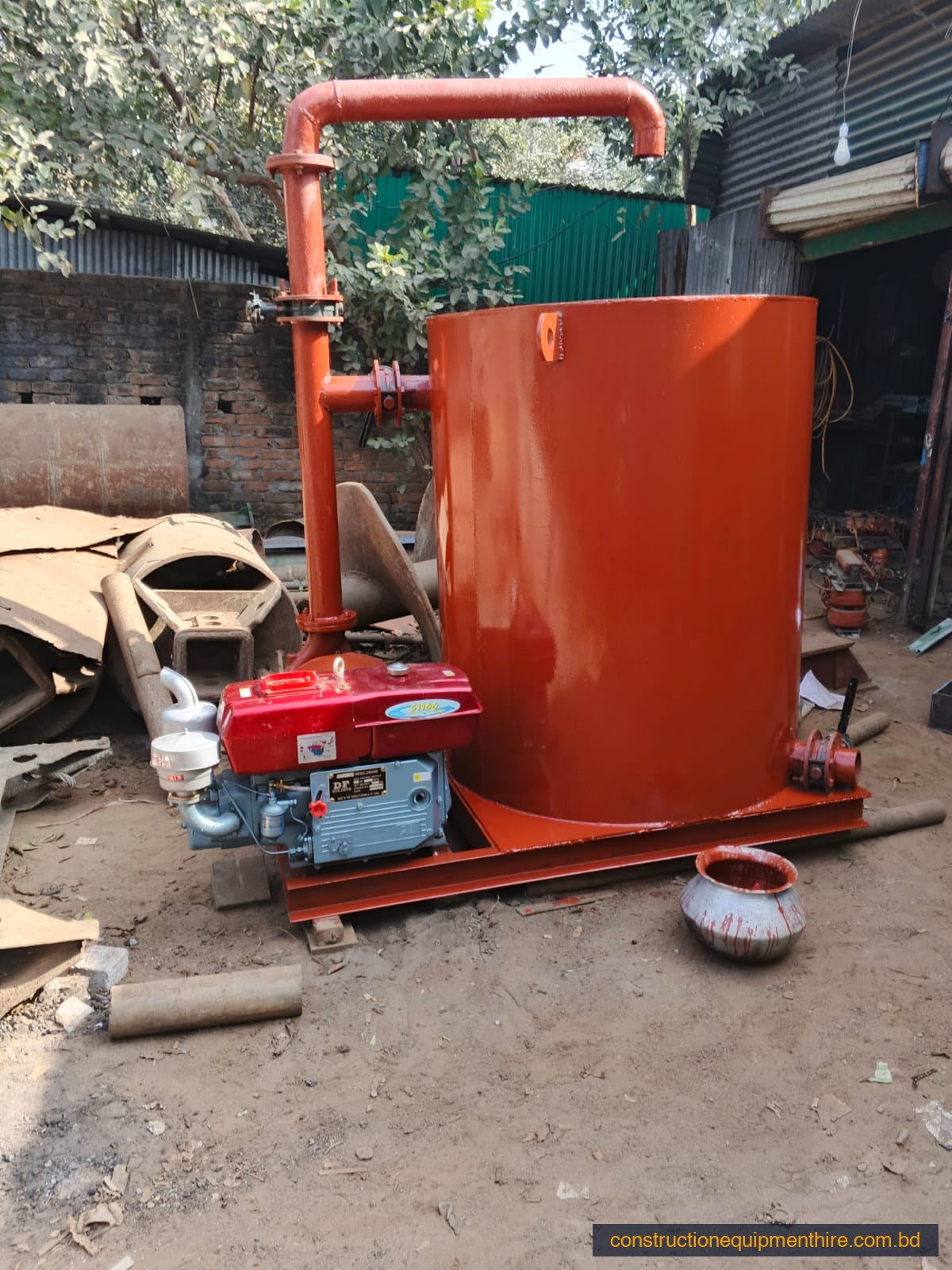
Pump unit
Vessel equipment
Fleet Technology
Technical Profile:
Our Fleet & Technology
To tackle the dynamic sediment challenges of the Bengal Delta, using the right tool for the specific river environment is essential. Our operations utilize distinct types of advanced dredging vessels, each deployed based on soil compactness, water depth, and project objectives.
Cutter Suction Dredgers
The Workhorse of Bangladeshi Waterways
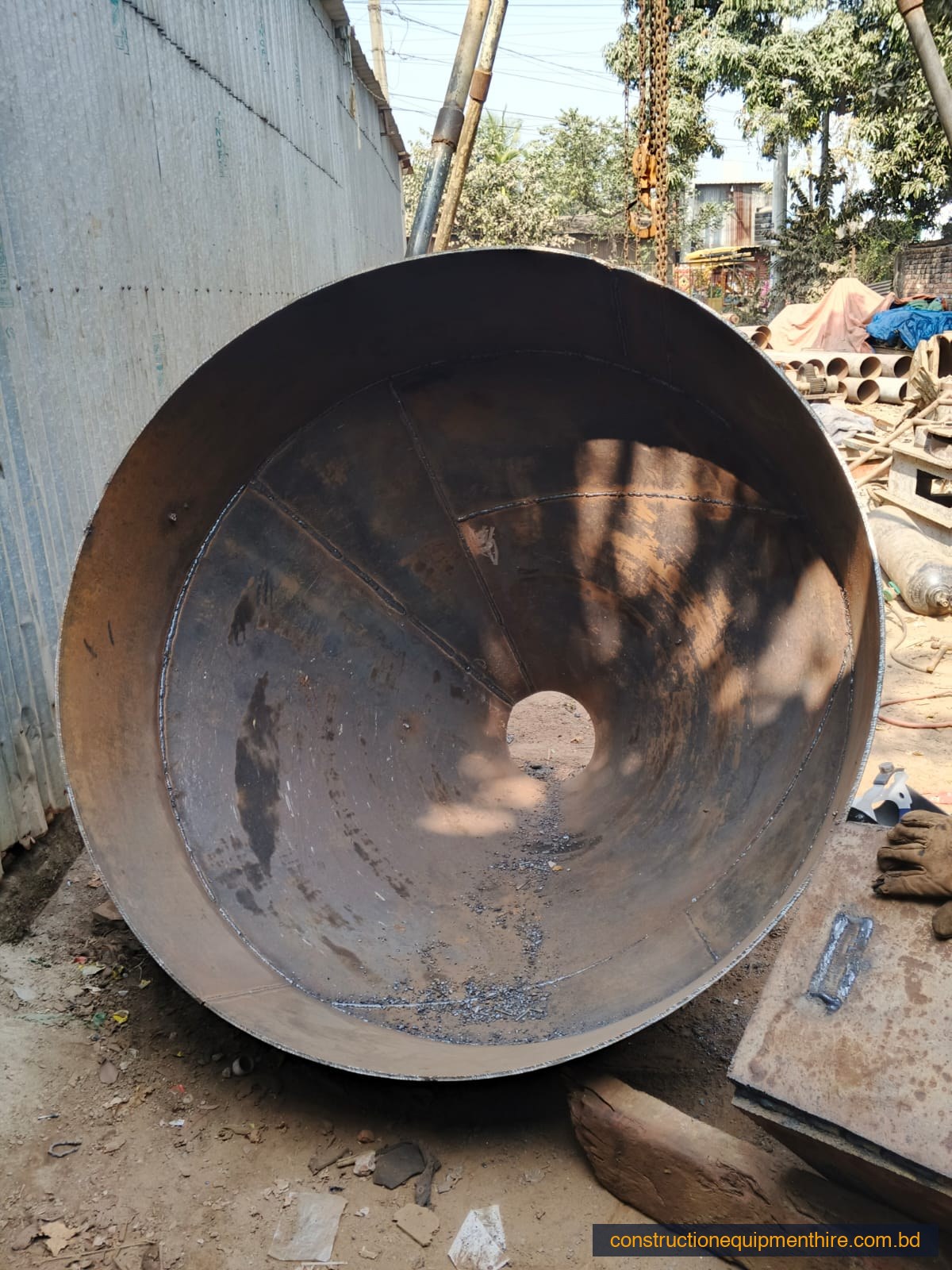
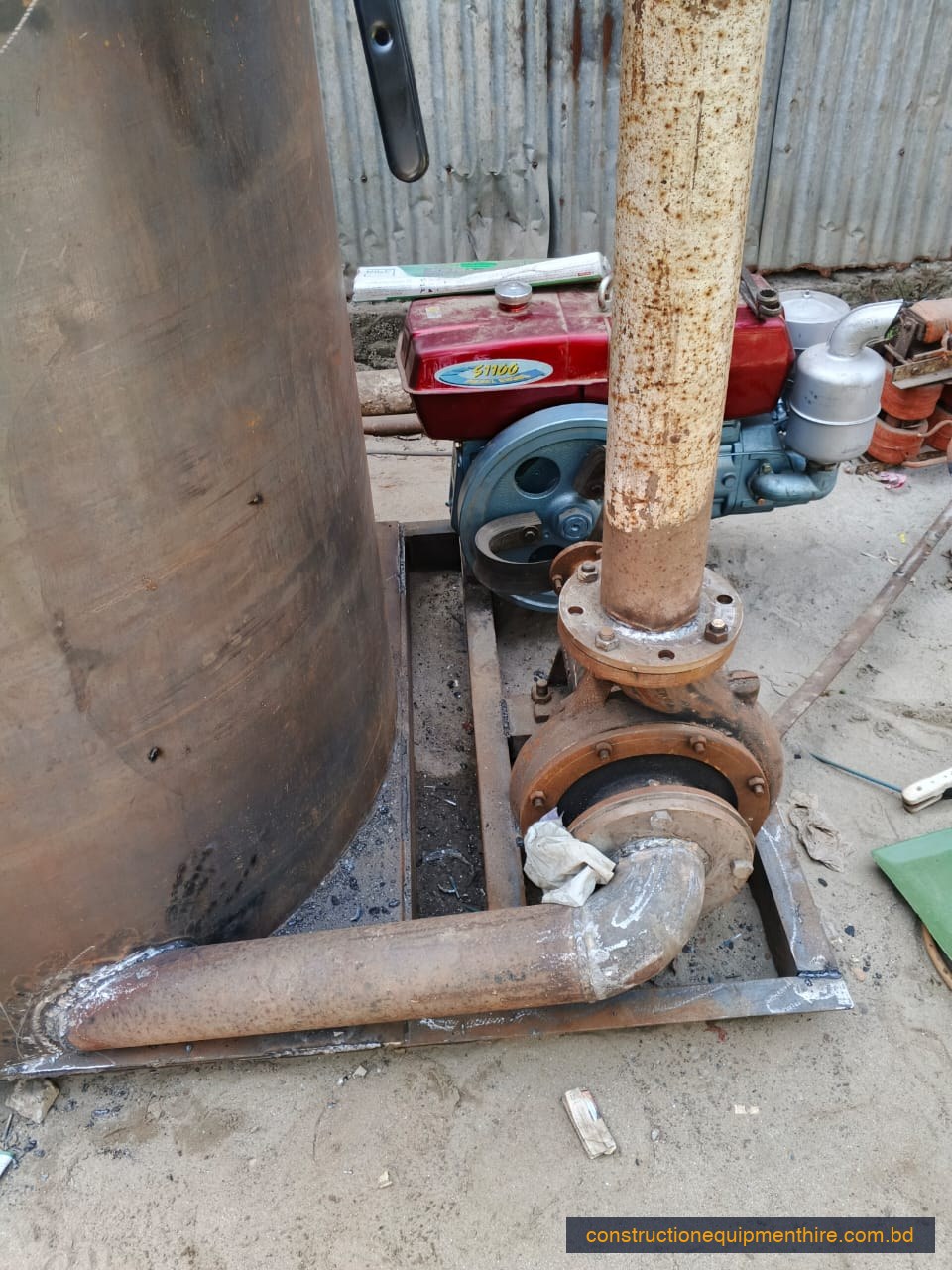
A CSD is a stationary vessel that uses a powerful, rotating mechanical cutter head to break up compacted riverbeds. A heavy-duty pump then sucks up the loosened sediment as slurry and pumps it directly through floating or land pipelines to a designated discharge zone.
Best Deployed For:
Inland River Networks
Ideal for shallow to medium inland rivers like the Meghna, Jamuna, and smaller tributaries where BIWTA requires precise depth restoration.
Capital Dredging & Hard Clay
Breaking through highly compacted sediment, silt-clay layers, or opening entirely choked historical channels.
Direct Land Reclamation
Pumping sand straight to adjacent shorelines to build economic zones, embankments, or structural foundations in a single continuous process.
Trailing Suction Hopper Dredgers
The Marine & Port Deepening Specialist
A TSHD is a highly mobile, self-propelled ship equipped with trailing suction pipes and drag heads. As the vessel sails slowly over the seabed, it vacuums up loose sand and soft silt, storing the material inside its own internal hull (the “hopper”).
Once full, the ship sails to a deep-sea disposal site or pumps the material ashore — ideal for active shipping lanes and ecologically sensitive zones.
Best Deployed For:
Deep Maritime Port Maintenance
Ensuring unhindered ship traffic in active, deep-draft shipping channels — Port of Chittagong, Mongla Port, and Payra Port.
High-Traffic Channels
Operating seamlessly in busy shipping lanes without blocking traffic — no stationary mooring lines or long floating pipelines required.
Long-Distance Disposal
Projects where dredged material must be transported miles away — including sensitive ecological boundaries like the Sundarbans mangrove corridors.
Equipment Selection Matrix
Every dredging project in Bangladesh is unique. Here is how we match the right vessel to your specific requirement.
← Scroll to see full table →
| Project Requirement | Recommended Vessel | Why It Matters in Bangladesh |
|---|---|---|
| Shallow Inland Rivers | CSD | Can operate in low-draft environments (12"–28" models) to revive rural water trade routes. |
| Deep Seaports & Estuaries | TSHD | High mobility allows constant operation without disrupting large commercial container ships. |
| Immediate Infrastructure Infill | CSD | Streamlines costs by cutting and directly placing sand onto project land in a single continuous process. |
| Loose Silt in High-Current Tides | TSHD | Safely collects suspended tidal silt directly into its hopper without fragile pipeline setups. |
Scope of Work
Applications & Project Types
Port & Harbour Deepening
Deep-draft channel maintenance at Chittagong, Mongla, and Payra ports to accommodate post-Panamax vessels and LNG tankers.
Inland Waterway Restoration
Restoring navigable depths in silted rivers — Meghna, Jamuna, Padma tributaries — for BIWTA and BWTA approved operations.
Coastal Protection Works
Shoreline stabilization and beach nourishment along Bangladesh's Bay of Bengal coastline to protect against erosion and cyclone surge.
Land Reclamation Projects
Building economic zones, flood embankments and infrastructure platforms by pumping sand from adjacent river beds or marine environments.
Flood Control & Irrigation
Re-excavating silted flood-control canals and irrigation channels across rural Bangladesh for BWDB schemes.
Environmental Remediation
Precision dredging for contaminated sediment removal and riverbed ecological restoration — Sundarbans-certified protocols.
FAQ
Dredging — Frequently Asked Questions
Q1What types of dredgers do you operate in Bangladesh?
We operate both Cutter Suction Dredgers (CSD) for inland rivers and shallow environments, and Trailing Suction Hopper Dredgers (TSHD) for deep maritime ports and long-distance disposal. Selection depends on water depth, sediment type, and project objectives.
Q2Are you BIWTA certified for inland river dredging?
Yes. We hold BIWTA certification for inland waterway dredging operations across Bangladesh's river network. Our vessels and crew comply with all Bangladesh Inland Water Transport Authority regulations.
Q3Can you work near the Sundarbans?
Yes. We have Sundarbans-certified protocols for operations near ecologically sensitive zones. All discharge and disposal follows Bangladesh Forest Department and environmental clearance requirements.
Q4What is the difference between capital dredging and maintenance dredging?
Capital dredging creates a new channel or deepens an existing one for the first time. Maintenance dredging periodically removes accumulated silt from established channels to maintain navigable depths. We provide both.
Q5Can you handle land reclamation using dredged material?
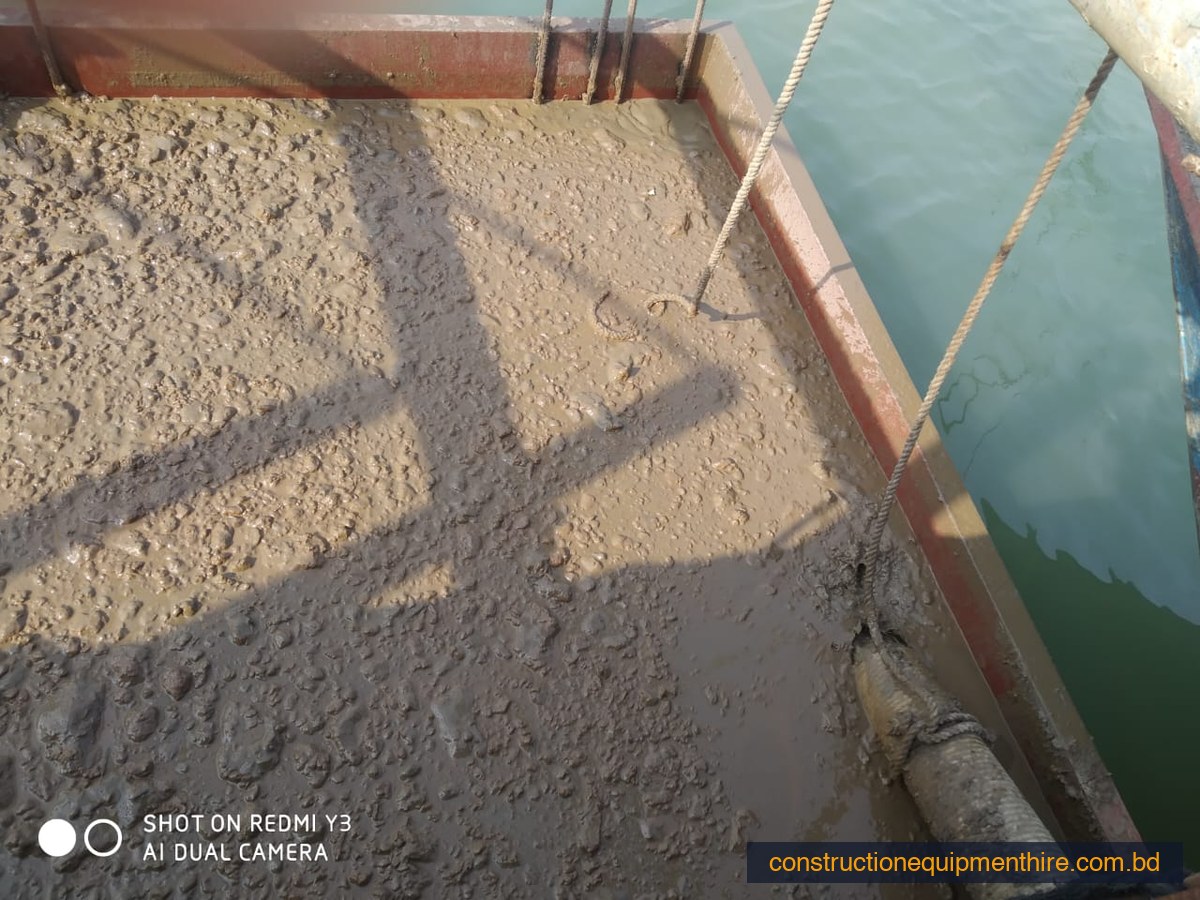
Yes. Our CSD fleet can pump dredged sand directly to adjacent land areas via floating or submerged pipelines — ideal for building embankments, economic zones, and structural platforms without separate sand procurement.
Q6Do you work on projects along the Chittagong Port approach channel?
Yes. We have experience with approach channel maintenance and deepening for Chittagong Port, coordinated with Port Authority and maritime authorities. Our TSHD vessels operate without disrupting active vessel traffic.
Get In Touch
Middle Badda, Gulshan-1, Dhaka
We Also Deliver
Explore Our Other Services
 Flagship Service
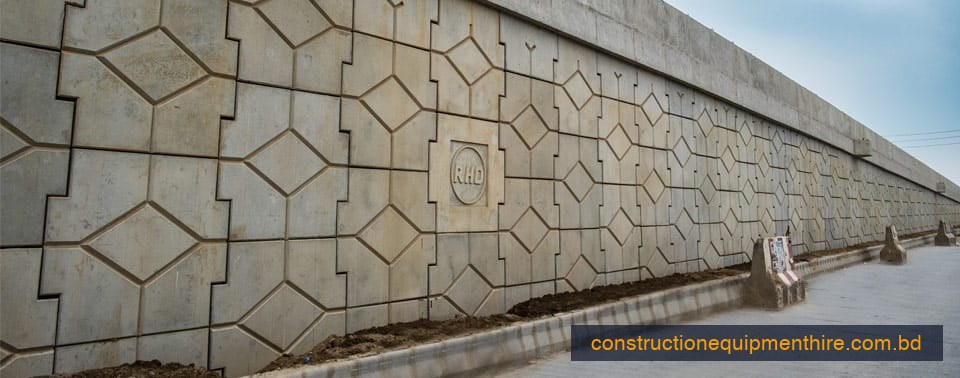
RR Wall & Retaining Wall
Bangladesh's only vertically integrated precast hexagonal block manufacturer. BWDB, LGED, RHD approved. Export ready.
Learn More Structural Retaining Walls
RE Wall / MSE Wall
Reinforced soil retaining walls for elevated expressways, interchanges & bridge abutments. AASHTO / BS 8006 engineered.
Learn More Foundation Engineering
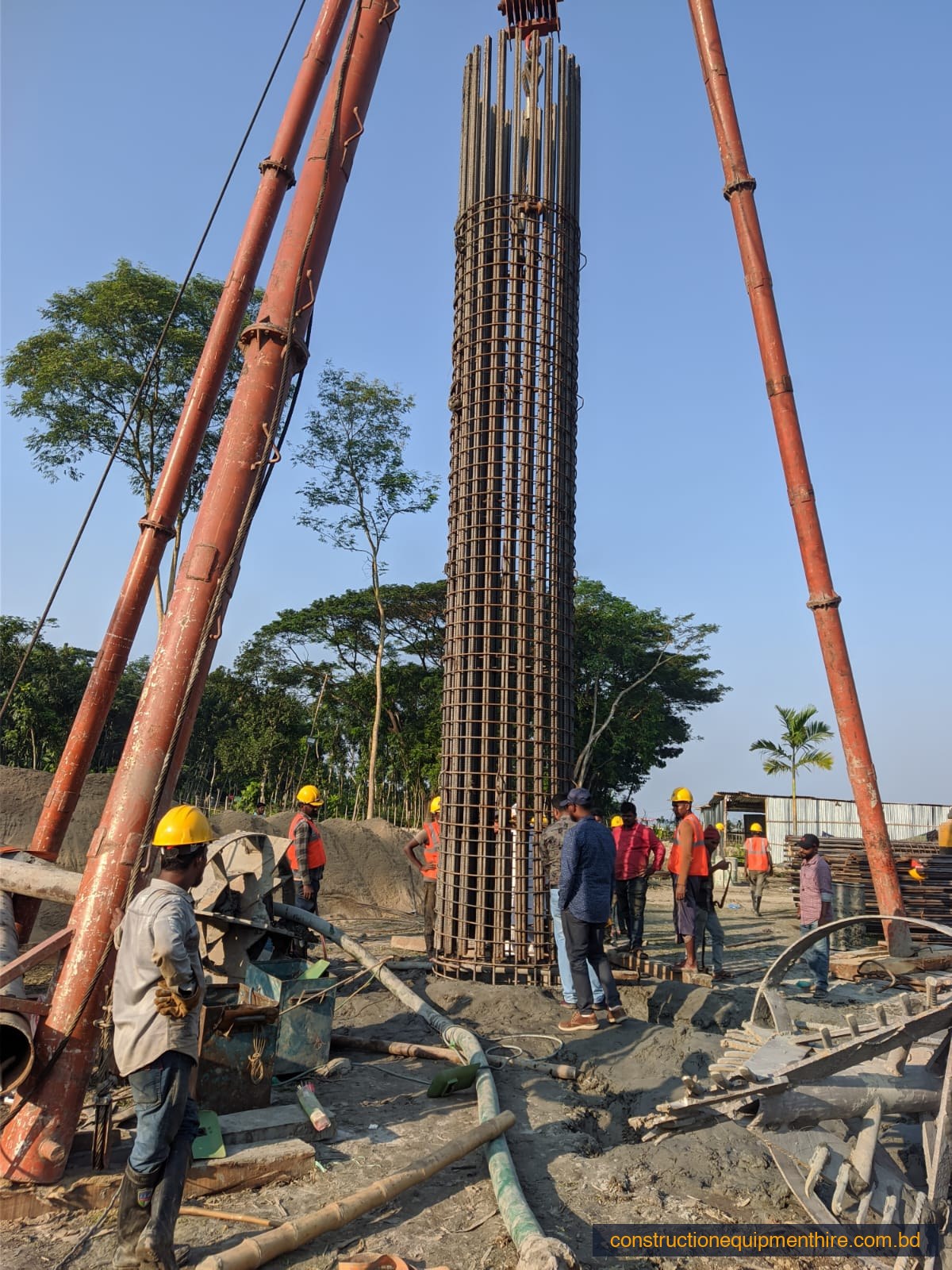
Bored & Sheet Piling
Any diameter (150–1500mm), any depth (up to 50m+). 20+ years, negligible vibration, BNBC-compliant nationwide.
Learn More Equipment Rental & Sale
Heavy Machinery Hire
100+ units — excavators, cranes, dump trucks, drilling rigs, concrete pumps. Short-term hire or outright purchase.
Learn MoreReady to Build?
Build Your Legacy on
Our Foundation
Contact our senior engineering team to review your soil reports, structural blueprints, and specific project requirements.